
3 People Attacked Near Groningen Nightclub Amid Rising Anti-LGBTQ+ Violence

Updated: Nov 14, 2024
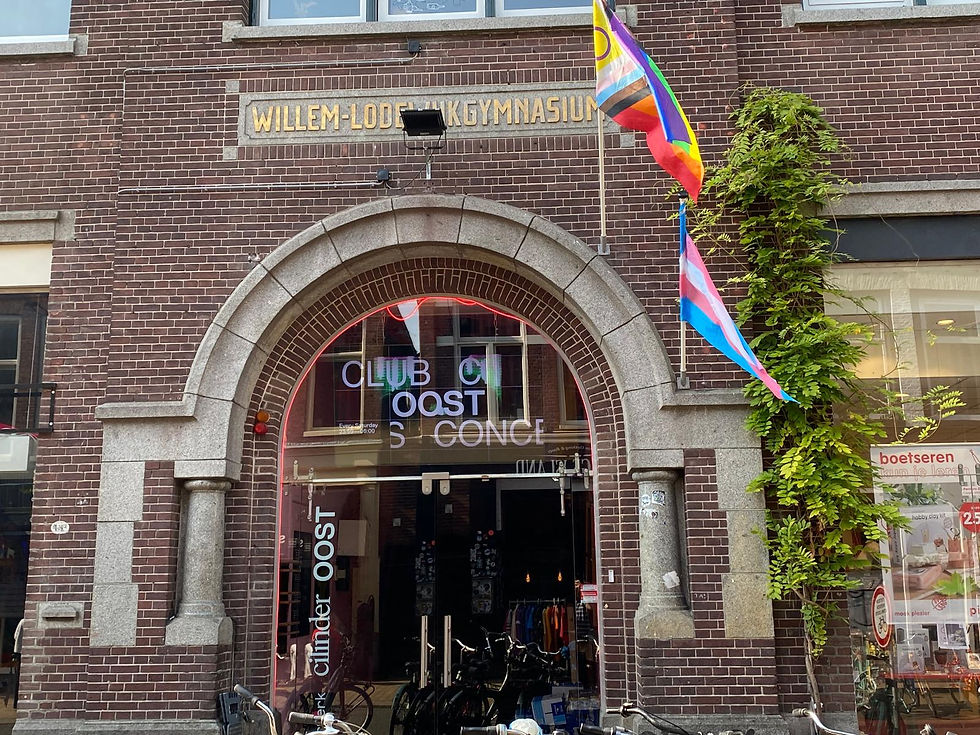
A typical Friday night in Groningen’s club-packed city center took a violent turn on the 15th September. While attendees of the LGBTQ+ event ‘BUTTS’ were enjoying techno music and live performances, three queer people were violently assaulted just a short distance away.
So far, details of the attack are unknown. Because of an ongoing police investigation, the owners of the event’s venue ‘OOST’ are unwilling to talk. According to the nightclub’s official statement, two off-duty employees and one patron were called homophobic slurs and then physically attacked. If bystanders had not intervened, the injuries could have been a lot worse.
For many members of the LGBTQ+ community the incident outside of OOST is far from surprising. The number of attacks against members of queer and trans communities in the Netherlands stood at 3,257 last year, almost a quarter more than in 2022 according to official figures. A report by the Groene Amsterdammer also found that LGBTQ+ people are facing ever-increasing rates of online abuse.
Hate crimes like this strike fear into the hearts of many queer and trans people. Mila van Brummelen, a transgender woman and performer was on stage inside the club when the incident took place. She said that when she found out what happened it felt way too close for comfort. “It could have been me,” she says.
According to van Brummelen, earlier in the evening one of the party’s attendees had tried to insult her while performing. The man approached her and said “oh my gosh, that girl has a dick in her pants.” She confronted him, asking him to repeat what he said, then put her hand in his face and got away.
When it comes to defending yourself against harassment, van Brummelen says it has a lot to do with one’s inner-strength. She believes that you have to exude confidence and power. “That's all you can do because there will always be people who hate you but hopefully there will be more people that accept it,” she says.
Maartje Aarse, a transgender woman and educator living in the city, has experienced similar hostility in Groningen, but she says that compared to other cities, it feels “relatively safe.”
“When you're walking around town and there's drunk people, they are more inclined to say mean things,” she explains. “We have a vibrant nightlife and alcohol makes people lose their inhibitions and say stupid things.”
In Aarse’s opinion, a possible reason for the rise in anti-trans aggression is what she calls the “scapegoating” and “moral panic” in the Dutch media. “You see public opinion shifting everywhere because the narrative is so focused on how bad it is to be transgender,” she explains, citing conservative calls to “think of the children.” “Everything is just based on arguments of fear and not fact.”
If things are going to change in regards to public opinion, they first have to change in the media, says Aarse. She believes that positive representations of transgender people are a vital step towards this goal. “People don’t focus at all on how nice it is to finally live an authentic life,” she says. “As long as you don't have those voices as well, it is too easy to focus on all the negatives.”


Comments